
Forestry Development Authority Website: Features, Structure, SEO, and Best Practices for a High-Impact Government Portal
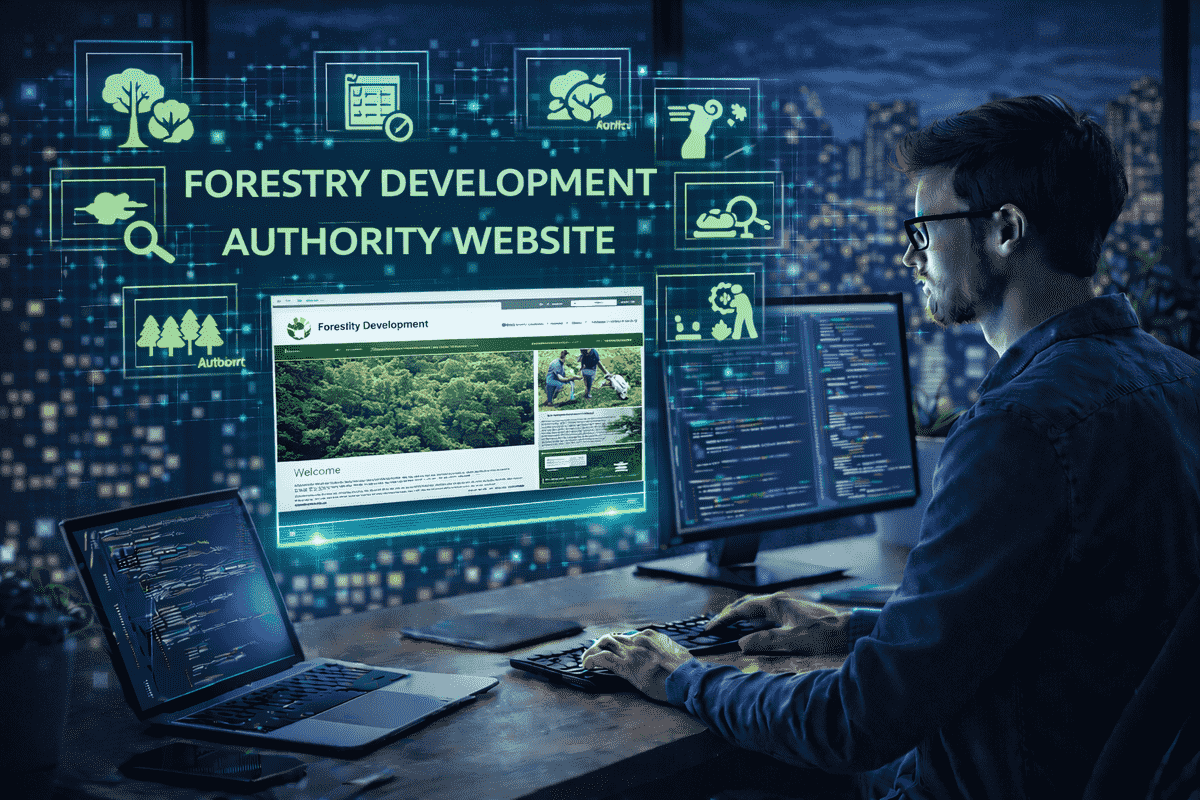
A forestry development authority website is more than an online brochure—it’s a public-facing digital gateway that connects citizens, researchers, businesses, and stakeholders with forestry services, policies, permits, data, and conservation programs. When built correctly, it improves transparency, speeds up service delivery, strengthens environmental awareness, and supports national sustainability goals.
In this guide, you’ll learn how to plan, design, and optimize a forestry development authority website for usability, accessibility, performance, and search visibility. Whether you’re building a brand-new portal or modernizing an existing one, the recommendations below will help you create a structured, scalable, SEO-ready platform that earns trust and performs well.
Why a Forestry Development Authority Website Matters
Forestry authorities manage critical resources—forests, wildlife habitats, protected areas, timber regulation, afforestation initiatives, and climate-focused programs. The website is often the first place people go for official information and services. A strong portal can:
- Provide accurate public information, notices, and forest policies
- Support online applications for permits, licenses, and registrations
- Publish reports, datasets, maps, and research documents
- Help citizens report illegal logging, forest fires, or wildlife conflict
- Promote conservation campaigns and community forestry programs
- Improve service transparency and reduce office dependency
For professional development, structure, and SEO support, many organizations work with a specialized digital team like Business Grow to build websites that are fast, secure, and easy to manage.
Core Goals of a Forestry Development Authority Website
A successful forestry development authority website should be designed around measurable outcomes:
- Public service delivery: clear guidance, downloadable forms, online submissions
- Transparency: published budgets, projects, tenders, and public notices
- Data accessibility: open documents, maps, GIS resources, and reports
- Public engagement: education, updates, feedback, and support channels
- Operational efficiency: internal workflows, content updates, and automation
When these goals are defined early, the website can be structured to serve both citizens and internal teams effectively.
Recommended Site Structure and Navigation
A forestry development authority website should use a simple, predictable navigation model. Users typically want the fastest route to forms, notices, services, and contact information.
Suggested Main Menu
- Home
- About the Authority
- Services & Permits
- Programs & Projects
- Forest Resources & Data
- News, Notices & Tenders
- Publications
- Contact
Key Pages to Include
- Mission, vision, leadership, and organizational structure
- Service catalog with step-by-step instructions
- Download center for forms, circulars, and guidelines
- Project pages with objectives, locations, and progress updates
- Public notice board with searchable archives
- FAQ and help center
For a clean, SEO-friendly foundation and long-term maintainability, you can model your information architecture with guidance from Business Grow.
Must-Have Features for a Forestry Authority Portal
Beyond pages and menus, modern forestry authority portals need functional features that match public expectations.
1) Service & Permit Workflows
Common workflows include permit applications, timber transport approvals, nursery registrations, or wildlife-related reporting. The portal should offer:
- Service landing page for each permit or program
- Eligibility, required documents, fees, and processing time
- Downloadable forms and online submission options
- Status-check instructions or tracking links
2) Alerts and Emergency Updates
Forestry is time-sensitive. Fire alerts, storm impacts, closures, and safety notices should be published quickly. Add:
- Homepage alert banner
- Dedicated “Alerts” page or category
- Short updates with date/time stamps
3) Complaint and Incident Reporting
Allow citizens to report illegal logging, forest encroachment, fires, or wildlife conflict using:
- Simple reporting forms with optional attachments
- Clear privacy notice and processing timeline
- Helpline details on every page
4) Document Library and Archives
Publish circulars, laws, policies, annual reports, procurement notices, and meeting minutes using:
- Filterable categories
- Search box and tags
- Clean naming convention and dates
5) Maps and Resource Information
If you share protected area information, reforestation sites, or GIS datasets, create a dedicated resource hub with clear context, disclaimers, and downloadable assets.
Design Best Practices for Trust and Clarity
A forestry development authority website must communicate trust and authority. Design decisions should prioritize clarity, accessibility, and credibility.
Visual and UX Guidelines
- Use consistent spacing and typography for readability
- Place the “Services” and “Notices” sections prominently on the homepage
- Ensure primary actions (Apply, Download, Contact) are visually obvious
- Keep forms short and mobile-friendly
- Use simple icons and clean layout for quick scanning
Accessibility Essentials
- Readable contrast and legible font sizing
- Descriptive headings and link text
- Keyboard-friendly navigation
- Clear focus states and form labels
- Alternative text for important images (when implemented in CMS)
Accessible design improves usability for everyone and supports better search performance as well.
SEO Strategy for a Forestry Development Authority Website
Search engine optimization is not only for businesses. A forestry development authority website should be easy to discover when users search for permits, notices, forest laws, or conservation programs. SEO also helps journalists, researchers, and stakeholders find official resources rather than unreliable sources.
SEO Foundation (On-Page Structure)
- One clear topic per page (avoid mixing too many services on one page)
- Use structured headings (H1 once, then H2/H3 sections)
- Write short, scannable paragraphs
- Use descriptive internal links (not “click here”)
Keyword Mapping Approach
For best SEO results, build dedicated pages for high-intent topics:
- Permits and licensing pages for each service type
- “Forest fire reporting” page with reporting steps
- “Afforestation program” page with objectives, eligibility, and updates
- “Tenders and procurement” page with archive filters
- “Forest law and policy” library page with categorized documents
Internal Linking Strategy
Use internal linking to guide users to key sections and improve crawlability. For example, link from service pages to policy documents, from notices to program pages, and from resource pages to contact information.
For ongoing SEO execution and content planning, you can build a long-term framework with Business Grow and maintain consistent growth in visibility.
Performance, Speed, and Technical Standards
Government and authority portals must be fast and stable. Slow websites reduce public trust and lead to higher bounce rates.
Performance Best Practices
- Compress images and avoid overly large media files
- Use caching and a reliable hosting stack
- Minimize unnecessary scripts and heavy animations
- Optimize mobile performance first
- Ensure core pages load quickly even on slower networks
Security Essentials
- HTTPS everywhere with valid SSL
- Secure forms and spam protection
- Regular updates and patch management
- Role-based admin access for content editors
- Automated backups with recovery testing
Security is also a trust signal. Citizens are more likely to submit forms on a secure, well-maintained site.
Content Types That Work Best for Forestry Authorities
Content for a forestry development authority website should be practical, educational, and transparent. A balanced content plan usually includes:
Service Content
- Permit and licensing instructions
- Fee schedules and processing timelines
- Required documents and eligibility checklists
Public Education Content
- How to prevent forest fires
- Community forestry guidelines
- Wildlife conflict safety guidance
- Forest conservation benefits and initiatives
Operational Content
- Tenders, procurement policies, and bid notices
- Annual reports and project progress updates
- Environmental impact summaries and outcomes
Social Media Integration for Public Outreach
Social channels help forestry authorities share updates quickly and build awareness campaigns. You can include official social links in the website footer or contact page for easy public access.
Consistent branding across website and social platforms increases credibility and engagement.
Governance, Content Workflow, and Maintenance
One of the biggest challenges for authority websites is content freshness. A portal that is not updated regularly becomes less useful and less trusted.
Recommended Content Governance
- Assign page ownership (who updates which section)
- Use an approval workflow for notices and documents
- Maintain a publishing calendar for reports and updates
- Archive outdated content with clear dates
Ongoing Maintenance Checklist
- Monthly security review and updates
- Quarterly performance audits and optimization
- Broken link checks and form testing
- Annual content review for accuracy and relevance
If you want a long-term partner to handle performance, SEO, and ongoing improvements, Business Grow can support continuous optimization.
Our Flexible Pricing
Search Engine optimization Service
❇️ Starter Plan ❇️
$399/Per Month
- UpTo 15 Keywords Targeted
- Basic On-Page Optimization
- Basic Technical SEO
- 1 Blog Topic / Month
❇️ Bronze ❇️
$599 Per Month
- UpTo 30 Keywords Targeted
- Strong On-Page Optimization
- Fix Technical SEO
- 2 Blog Topic / Month
❇️ Golden Plan ❇️
$799/Per Month
- UpTo 50 – 100 Keywords Targeted
- Full Advanced On-Page Optimization
- Full Site Audit + Indexing Optimization
- Full Content Calendar + Blog Guidance
Design and Development Service
❇️ Basic Plan ❇️
$99/One Time
- 1-Page Website Design
- Fully Mobile Responsive
- 3 Revisions
- Contact/Query Form
- Security Protocol
- Dedicated Project Manager
- 24/7 Customer Support
❇️ Standard Plan ❇️
$449 One Time
- 1-5 Page Website
- Fully Mobile Responsive
- Unlimited Revisions
- SEO Optimzied
- SEO Optimzied
- CMS-Based (WordPress)
- Contact/Query Form
- Online Booking System
- Security Protocol
- 24/7 Customer Support
❇️ Premium Plan ❇️
$649/One Time
- 5-10 Page Website
- Mobile & Tablet Friendly
- Unlimited Revisions
- SEO Optimzied
- CMS-Based (WordPress)
- Contact/Query Form
- Online Booking System
- Security Protocol
- Complete Deployment
- Quarterly Website Performance Report
- Cross Browser Compatible
- Speed Optimized
- 24/7 Customer Support
Brand Design Service
❇️ Basic Plan ❇️
$79/One Time
- Custom Logo Design
- Design Variations
- Business Card Design
- 24/7 Customer Support
❇️ Premium Plan ❇️
$135 One Time
- Custom Logo Design
- Vector File
- Design Variations
- Business Card Design
- Letterhead Design
❇️ Elite Plan ❇️
$199/One Time
- Custom Logo Design
- Vector File
- Design Variations
- Source File
- Brand Style Guide
- Business Card Design
- Letterhead Design
- Social Media Asset Design
- 24/7 Customer Support
Digital marketing Service
❇️ Basic Plan ❇️
$499/Per Month
- Recommended $1,000 Ad Spend/month
- Search Camapaign + Call Only
- (1–2) Campaigns Managed
- 50 Keywords Research & Setup
❇️ Standard ❇️
$699 Per Month
- Recommended $1,000 – $5,000 Ad Spend/month
- Search + Call Remarketing/Performance Max
- (Up to 5) Campaigns Managed
- 100 Keywords Research & Setup
- 3 A/B Variants + Extensions
❇️ Elite Plan ❇️
$199/One Time
- Recommended $5,000+ Ad Spend/month
- Unlimited Campaigns Types
- (UpTo 10) Campaigns Managed
- Unmlimited Keywords & Competitor Analysis
- Advanced Conversion Tracking
Frequently Asked Questions About Forestry Development Authority Website
What is a forestry development authority website?
A forestry development authority website is an official portal that provides forestry services, public notices, resources, and information related to forest management and conservation.
Why is a forestry authority website important?
It improves transparency, helps citizens access services, and provides accurate official information about forestry programs, permits, and policies.
What services should be included on a forestry development authority website?
Common services include permit applications, downloadable forms, tender notices, complaint reporting, and public program information.
How can a forestry authority website improve public service delivery?
By offering clear instructions, online submissions, downloadable forms, and quick access to contact and support channels.
Should the website include an archive section?
Yes, archives for notices, circulars, tenders, and publications help users find historical information and maintain transparency.
How do you make a forestry authority website SEO-friendly?
Use structured headings, dedicated pages for services, clear internal linking, fast performance, and well-organized content libraries.
What content is most useful for citizens?
Permit instructions, safety guidance, notices, project updates, and clear contact information are usually the most visited.
How can a forestry authority website support conservation awareness?
By publishing education content, campaign updates, success stories, and practical guides on forest protection.
Is mobile optimization necessary for authority websites?
Yes, many users browse on mobile devices, so the site must be responsive and fast on smaller screens.
What security features should be included?
HTTPS, secure forms, regular updates, access control, backups, and monitoring are key security requirements.
How often should the website be updated?
Notices and alerts should be updated immediately when needed, while publications and project pages should follow a consistent schedule.
Can the website include online complaint reporting?
Yes, an incident reporting system helps citizens report illegal logging, fires, or wildlife conflict efficiently.
What is the best way to organize forestry documents on the website?
Use categories, dates, searchable filters, and a consistent naming format so users can find documents quickly.
How can performance be improved on a forestry authority website?
Compress images, use caching, reduce heavy scripts, and optimize mobile performance first.
Why is internal linking important on an authority website?
It helps users navigate easily, improves site structure, and supports search engine crawling and rankings.
Should a forestry authority website include social media links?
Yes, social links improve outreach and help the public follow updates across platforms.
What is the best homepage layout for a forestry authority portal?
A clear layout with services, notices, alerts, and quick contact options is usually the most effective.
How do you ensure transparency through the website?
Publish tenders, budgets, reports, project updates, and official notices in a searchable and dated format.
Who should manage content updates?
Ideally, a designated content team with a structured approval workflow maintains accuracy and consistency.